decentrahomes.com

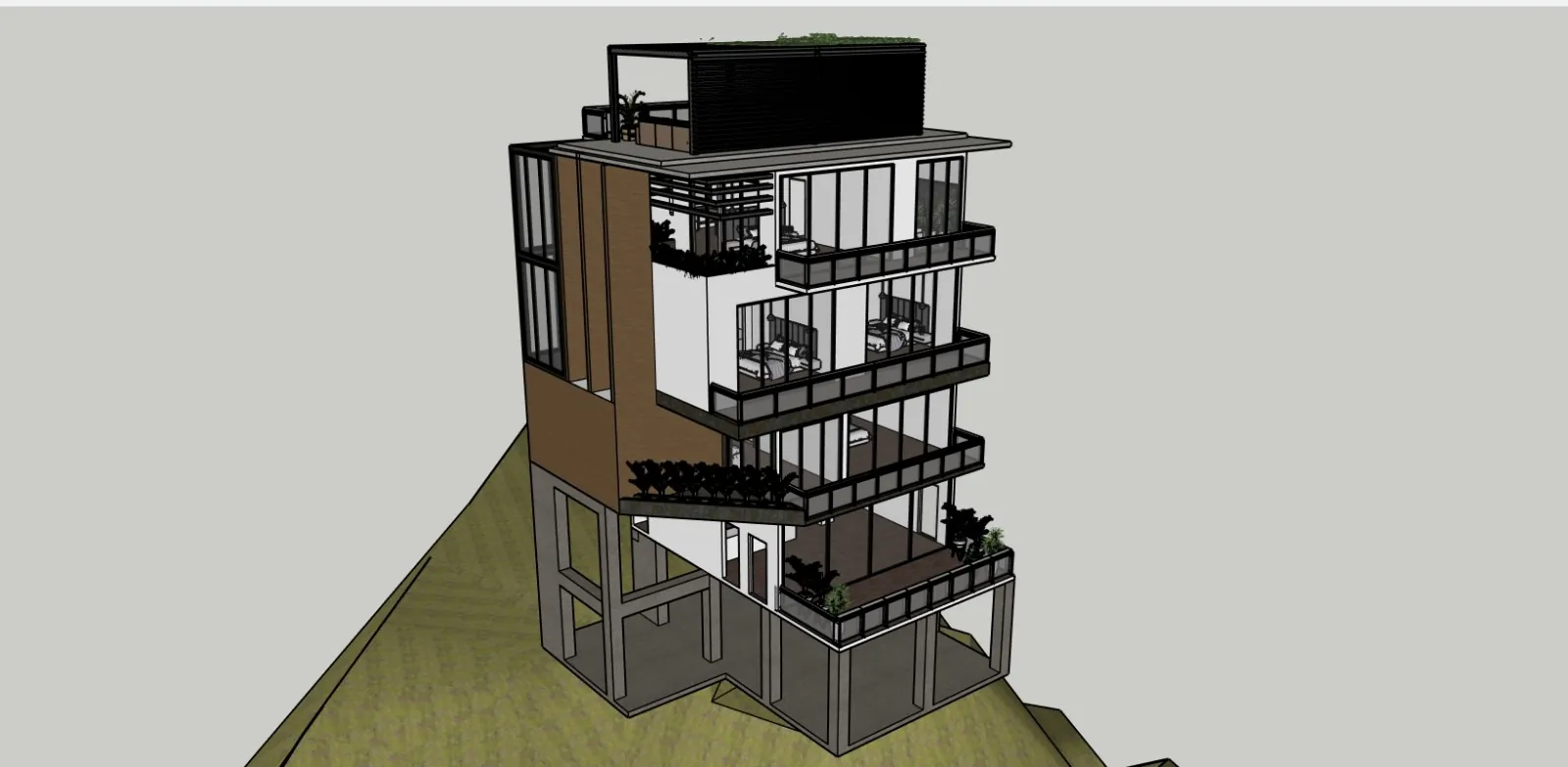
3D model of a multi-level hillside home prepared for permit drawings

Building permits and water letters in Costa Rica

Plans registered with the CFIA, the water letter in hand and the municipal permit issued, before the first shovel.

Projects start at $350,000 USD
Rated 5.0 from 12 Google reviews

In Costa Rica the permit is not paperwork at the end of design. It shapes the design from the start.

Every new home needs plans signed by a CFIA-licensed professional, registered through the CFIA’s online system and approved by the municipality. A missing water letter or a zoning detail can hold a project for months.

Because our architect designs and our team builds, we check each requirement while the drawings develop, then file the complete package.

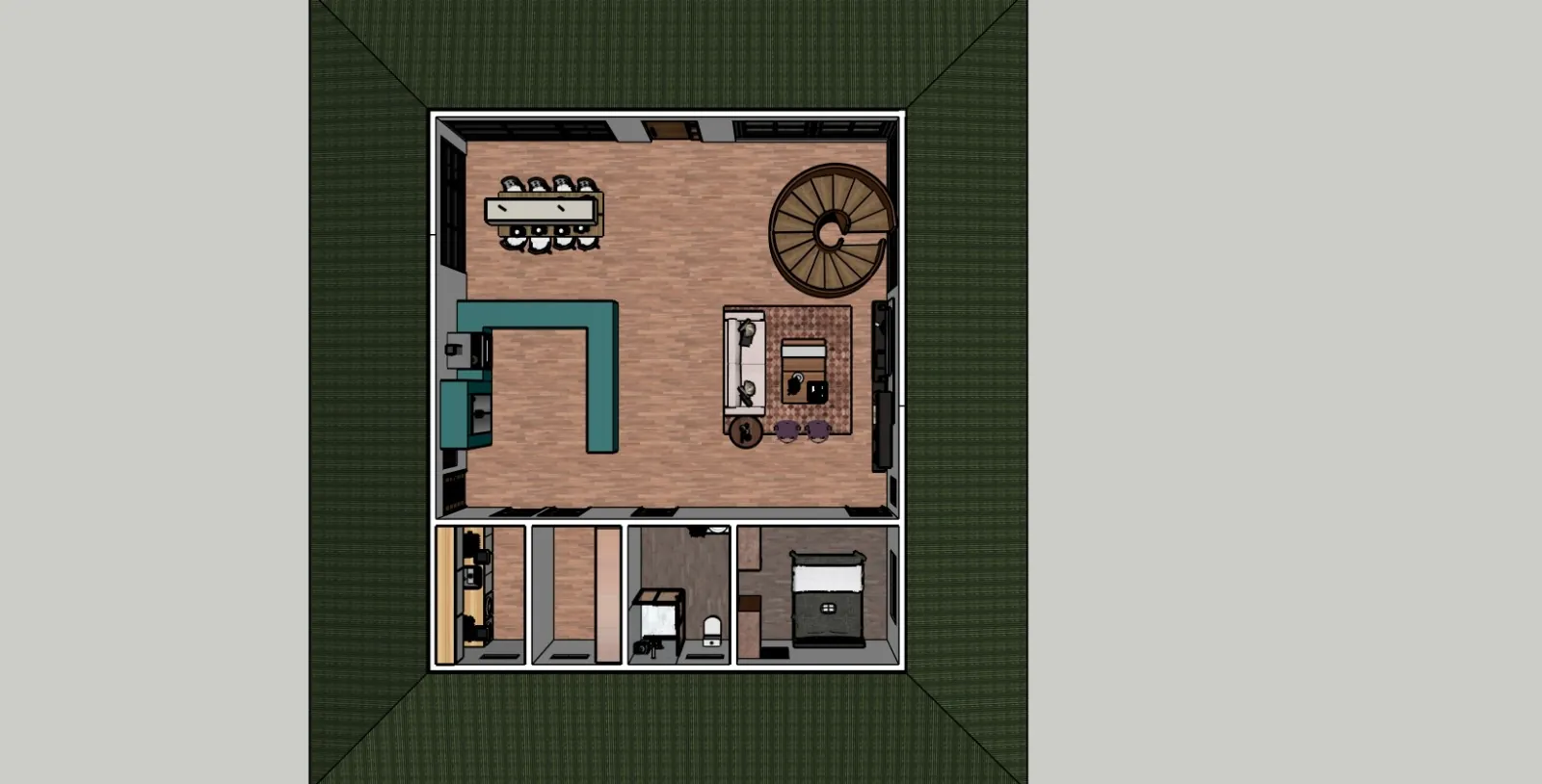
jungle home floor plan
Floor plan prepared for the permit set
hillside home 3d model
3D model checked against setbacks and heights

From plans to permit

  1. Land-use certificate

    The municipality confirms what can be built on the lot: use, height, coverage and setbacks.

  2. Water and electricity

    The water availability letter from AyA or the local water board, and the electricity availability from the provider.

  3. Plans and engineering

    Architectural, structural, electrical and plumbing plans to the seismic and electrical codes, signed by our CFIA-licensed team.

  4. CFIA registration

    Plans are submitted and registered through the CFIA’s online platform.

  5. Municipal permit

    The complete file goes to the municipality with title, survey plan, taxes and insurance, and the permit is issued.

Where permits get stuck

  • No water letter

    Coastal water boards have run out of capacity in several districts. We confirm the letter, or a storage and well plan, before design is final.

  • Protected areas and the coast

    The maritime zone, park buffers and river setbacks change what can be built. We check them on the lot.

  • Large or sloped projects

    Bigger projects can need environmental review and stormwater plans. We scope them before you commit.

What the municipality asks for

Requirements vary a little by municipality, but a typical new-home permit file includes the items on the right.

  • Plans signed and registered with the CFIA, electrical plan included
  • Land-use certificate (uso de suelo)
  • Water availability letter from AyA or the local ASADA
  • Registered survey plan (plano catastrado) and title report
  • Municipal taxes up to date and the INS workers’ policy
  • SETENA, road or river setbacks where they apply

Ways to get legal water for a building permit

Municipalities ask for proof of legal water before they issue a permit. There are several ways to get it, and they are not equally fast.

An AyA, ASADA or municipal availability letter is valid for one year. It can be extended before it expires, usually only two or three times, so we time it with the design. A water capacity letter is a different document and is not accepted for a building permit.

  • AyA letter

    Where AyA, the national water utility, already runs an aqueduct.

  • ASADA letter

    Where a local water association registered with AyA runs the aqueduct. Some coastal ASADAs have no capacity for new connections.

  • Municipal aqueduct

    Less common, mainly in rural areas.

  • Drilled well concession

    A concession from the Environment Ministry's water department over a legally registered well, proving enough water of good quality. It has been taking about 12 to 18 months.

  • Spring or stream concession

    The same process over surface water, which is less reliable in the dry season.

  • Hand-dug well

    Listed as a legal source in INVU's 2021 regulations, but accepted only by some municipalities.

Extra approvals some lots need

Beyond the standard file, some lots need more. Requirements vary by municipality. This is from one municipality's 2026 list for major works.

  • National road frontage

    An alignment from MOPT when the lot faces a national route.

  • Rivers and streams

    A river alignment (alineamiento fluvial) from INVU when the lot borders a watercourse.

  • Stormwater

    A stormwater discharge approval for buildings over 500 m².

  • Environmental viability

    SETENA viability for buildings over 1,000 m², and wherever the site calls for it.

  • Shared ownership

    Written consent from every owner when the property has more than one.

“We have had a great experience with Decentra. Their follow up skills are impeccable and they are a one stop shop for all phases of your build.”

James Whitley, on Google

“I engaged with Sean and the owner Sergio to obtain building costs for a residential project in the mountains of the Central Valley. I found them to be very welcoming, informative and accommodating.”

Paul Ziman, on Google

Questions about permits and water letters

Who can sign construction plans in Costa Rica?

Only engineers and architects registered with the CFIA can authorise a building permit application. Our architect, Sergio Cerceño, is CFIA licensed, and we operate under the CFIA-certified company SIM SRL.

What is a water availability letter?

A letter from AyA or the local water board (ASADA) confirming it can supply the property. Municipalities ask for it before issuing a building permit, and some coastal water boards are not issuing new letters, so we check it first.

Can I build first and permit later?

No. Building without a permit risks fines, stop-work orders and problems when you sell or insure the home. We permit every project before construction starts.

Do renovations need a permit?

Almost always. Small repairs and remodels below a legal value cap can be licensed without a CFIA professional, but anything structural, electrical or plumbing needs licensed plans. See our renovation page for details.

How much do permits cost?

The municipal building permit is typically around 1% of the construction value, plus professional fees set by the CFIA schedule. Our cost guide lists each fee.

How long does a building permit take in Costa Rica?

It depends on the municipality and how complete the file is. One guide puts CFIA registration at one to two weeks and municipal approval at about a month. A missing water letter or an environmental review can add months, so we start those first.

How long is a water availability letter valid in Costa Rica?

One calendar year. You can request an extension before it expires, usually only two or three times, and it depends on the water system still having capacity.

Can I get a building permit with a well?

Yes, with a water concession over a legally registered drilled well, or in some municipalities a hand-dug well. A drilled well concession has been taking about 12 to 18 months, so we check this before you buy.

Is a water capacity letter enough for a building permit?

No. A capacity letter only says the property may qualify after infrastructure work is done. Municipalities ask for an availability letter.

Tell us about your project

The fastest way to reach us is WhatsApp. Or send the form and we reply within one business day.

Projects start at $350,000 USD

Showroom
Altos de Flamingo, Playa Flamingo, Guanacaste, Costa Rica, by appointment
Licensing
CFIA certified under SIM SRL

Projects start at $350,000 USD. We reply within one business day.

WhatsApp